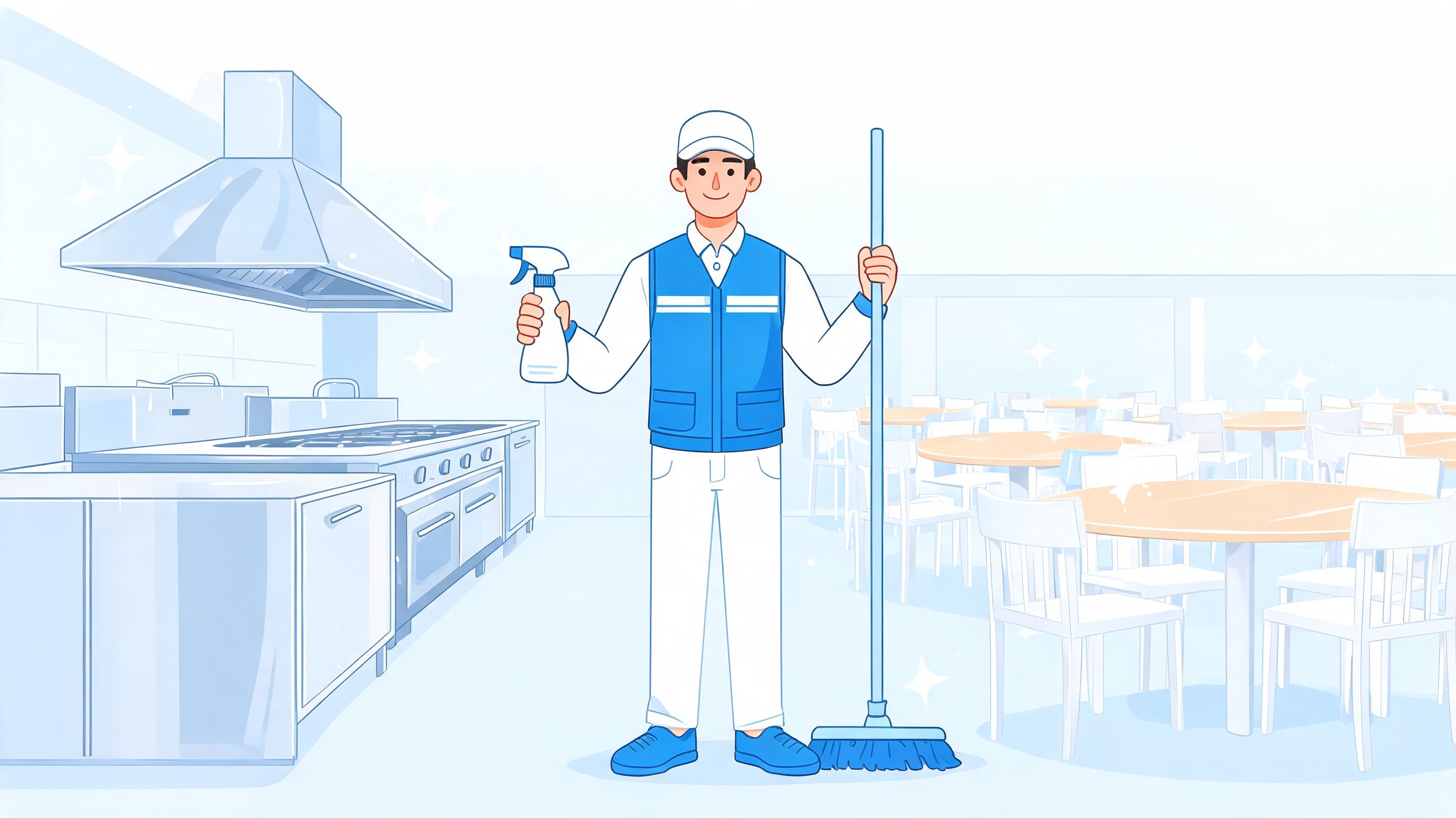
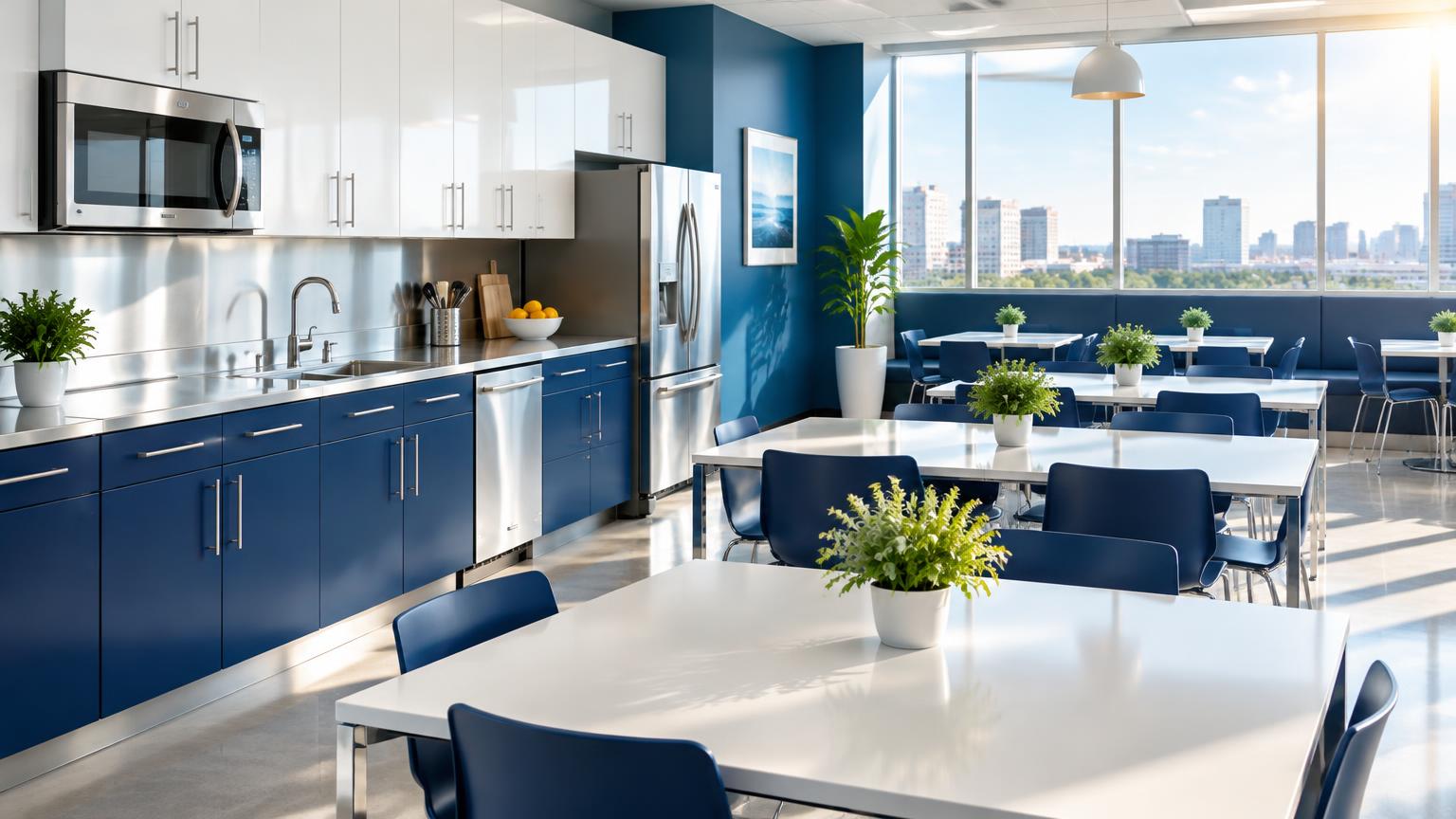
A professionally cleaned office kitchen or cafeteria is a cornerstone of a healthy and productive workplace. Effective management of these shared spaces goes beyond simple wipe-downs; it requires a methodical approach to mitigate health risks like foodborne pathogens, grease buildup, and cross-contamination. This guide outlines the professional standards, protocols, and scheduling necessary to maintain a genuinely safe and hygienic environment for all building occupants.
Key Takeaways
- Two-Pronged Strategy: Professional kitchen cleaning combines routine janitorial tasks (daily/weekly) with essential deep cleaning (monthly/quarterly) to manage both visible and hidden hygiene risks.
- Risk Management: Office kitchens are high-risk zones. Proper cleaning protocols are critical to prevent cross-contamination, pest infestations, and fire hazards from grease buildup.
- Systematic Protocols: Best practices include using colour-coded cleaning systems, observing proper disinfectant dwell times, and following specific procedures for high-touch zones like microwaves, refrigerators, and coffee stations.
- Customized Schedules: Cleaning frequency should be based on factors like foot traffic, type of use, and facility type, not a one-size-fits-all checklist.
- Professional Standards: Evaluating a cleaning provider involves verifying their experience in food service areas, documented staff training (e.g., WHMIS), and transparent quality assurance systems.
The Foundation of a Hygienic Shared Space
A professionally cleaned kitchen is defined by its adherence to health and safety standards that recognize its unique function. Unlike a typical office area, a kitchen is a dynamic environment where food is prepared, heated, and consumed daily. This activity makes it a prime breeding ground for bacteria and a potential hotspot for illness if not managed with professional diligence.
Reputable commercial cleaning services implement a two-pronged strategy for these spaces:
- Routine Janitorial Tasks: These are the daily and weekly essentials that maintain a clean appearance and immediate hygiene. This includes wiping down counters, sanitizing sinks, cleaning microwaves, and managing waste disposal.
- Periodic Deep Cleaning: This is a more intensive, less frequent process designed to tackle accumulated grime. It involves degreasing exhaust hoods, descaling coffee machines, and performing a full, top-to-bottom sanitization of refrigerators and other appliances.
This layered approach ensures visible messes are handled promptly, while hidden health risks are systematically eliminated before they can become significant problems.
Why Higher Standards Are Non-Negotiable
The emphasis on stringent cleaning standards in food spaces is fundamentally about risk management. A greasy film on a wall is not merely an aesthetic issue—it is a fire hazard. Unmanaged food waste can attract pests, introducing a new layer of health concerns.
A professional cleaning program is proactive, not reactive. It is designed to prevent issues like cross-contamination and pathogen spread before they can impact a team's health, morale, and productivity.
Maintaining these standards has a direct impact on cost. Office cafeterias and kitchens in commercial buildings across Ontario are consistently among the most labour-intensive—and therefore expensive—areas to service. A cleaning professional can cover far less square footage per hour when performing detailed kitchen sanitation compared to general office cleaning tasks.
To illustrate, the following table outlines the difference between standard and deep cleaning tasks.
Standard vs. Deep Cleaning Tasks for Commercial Kitchens
| Cleaning Task | Standard Cleaning (Daily/Weekly) | Deep Cleaning (Monthly/Quarterly) |
|---|---|---|
| Countertops & Surfaces | Wipe down and sanitize all accessible surfaces. | Pull out appliances to clean underneath and behind; polish stainless steel. |
| Sinks & Faucets | Clean, sanitize, and polish sink basins and fixtures. | Descale faucets and aerators; deep clean drains and garbage disposals. |
| Microwaves | Clean and sanitize interior and exterior. | Degrease interior thoroughly; clean and sanitize vents and filters. |
| Floors | Sweep and mop with a disinfectant solution. | Machine scrub floors; deep clean grout lines; clean baseboards. |
| Appliances (Exterior) | Wipe down exterior of refrigerators, coffee makers, toasters. | Pull out appliances to clean sides and back; deep clean and sanitize refrigerator interiors, including shelves and drawers. |
| Waste Bins | Empty bins and replace liners. | Wash and sanitize the interior and exterior of all waste and recycling bins. |
| Walls & Backsplashes | Spot clean visible spills and splatters. | Degrease and wash all walls and backsplashes. |
| Vents & Hoods | Not typically included. | Degrease and clean exhaust hood filters and surfaces. |
Deep cleaning goes far beyond the surface to address the buildup that routine service cannot reach. To maintain the highest food safety standards, it is also critical to know how to prevent mold in grill areas, especially in larger cafeterias.
Investing in a well-defined cleaning standard is a vital component of maintaining a healthy and safe workplace.
Getting the Cleaning Protocols Right in High-Traffic Kitchen Areas
Effective kitchen and cafeteria cleaning relies on a systematic approach designed to eliminate cross-contamination and ensure a hygienic environment. This is achieved through the correct application of specific tools, techniques, and cleaning agents for each zone.
A cornerstone of professional office cleaning, particularly in food areas, is a colour-coded system. This method assigns different coloured microfiber cloths and tools to specific areas to prevent the transfer of germs. A common industry standard is:
- Red cloths for high-risk sanitary areas (e.g., toilets).
- Yellow cloths for lower-risk washroom surfaces (e.g., sinks, mirrors).
- Blue cloths for general-purpose cleaning in main office spaces.
- Green cloths exclusively for food preparation and kitchen areas.
This practice ensures the cloth used on a low-risk surface is never used on a food-contact surface, a non-negotiable step in professional hygiene management.
A Systematic Approach to Key Kitchen Zones
Professional cleaning teams divide the kitchen into distinct zones, each with its own protocol to ensure no area is overlooked.
Microwaves and Small Appliances
The office microwave is a hotspot for food splatters and bacteria. A daily wipe-down of the exterior is standard, but a thorough interior cleaning is critical. This involves removing the turntable for separate washing and cleaning the interior with a food-safe solution to loosen baked-on residue, followed by a complete wipe-down and drying.
An essential aspect of professional disinfection is adhering to the correct dwell time—the duration a disinfectant must remain wet on a surface to effectively kill pathogens. Rushing this step renders the product ineffective.
Refrigerators
Shared refrigerators require regular attention to prevent odours and microbial growth. A weekly routine should include disinfecting handles and exterior surfaces. Internally, shelves and drawers must be cleared of spills. A more intensive disinfection of all interior surfaces should be scheduled regularly.
Countertops and Sinks
These high-contact surfaces require daily sanitization. After clearing the counters, they should be cleaned with a degreaser if necessary, then sanitized with a Health Canada–approved disinfectant, observing the proper dwell time. Sinks must be scrubbed to remove food residue, with close attention paid to faucets and handles. Enzymatic cleaners can also be used in drains to prevent clogs and odours.
Beverage Stations and Coffee Makers
Coffee stations in offices from Toronto to Markham are high-traffic hubs. Proper maintenance is critical for both hygiene and equipment longevity. Daily tasks include cleaning coffee pots, wiping machine exteriors, and sanitizing the surrounding counter space. Deeper cleaning protocols are necessary to prevent mineral buildup and bacterial growth inside the machines. Following specific guidelines on how to clean an espresso machine is crucial for more specialized equipment.
Hygienic Waste Management
Proper waste management is a final, critical component. A professional commercial cleaning service provides a structured approach:
- Segregation: Ensure separate, clearly labelled bins for food waste, recycling, and general trash are used.
- Regular Removal: Bins should be emptied daily—or more frequently in busy cafeterias—to prevent odours and pests.
- Bin Sanitation: The bins themselves must be regularly cleaned and sanitized to eliminate residue and bacteria.
By adhering to these structured protocols, cleaning professionals transform a high-risk kitchen area into a safe, welcoming, and hygienic space. For further information on sanitization techniques, one can learn more about detailed disinfection services.
Creating a Practical Cleaning Schedule and Frequency Guide
Consistency is paramount for maintaining a hygienic kitchen. A generic, one-size-fits-all cleaning schedule for office kitchens or commercial cafeterias is ineffective. The appropriate frequency of cleaning tasks depends directly on the specific usage patterns of the space. A cleaning schedule should be a strategic plan that balances daily upkeep with periodic deep cleans to prevent the buildup of grime, germs, and odours.
What Shapes Your Cleaning Frequency?
An optimal cleaning schedule is determined by key variables that facility managers in commercial hubs like Toronto, Mississauga, or Vaughan must consider when establishing a service level agreement (SLA).
- Foot Traffic: The number of people using the space is the primary driver. A small office kitchenette serving a dozen employees has different needs than a large industrial cafeteria serving hundreds.
- Type of Use: A kitchen used only for coffee breaks requires a less intensive protocol than one where full meal preparation occurs, generating more grease and food particles.
- Facility Type: Hygiene standards vary by facility. A dental office breakroom in Richmond Hill will have different requirements than a daycare centre in North York, where standards for vulnerable populations are more stringent.
- Health and Safety Regulations: Industries such as healthcare and food service are governed by strict public health guidelines that often dictate cleaning frequencies and documentation requirements.
The objective is to shift from a reactive approach of "cleaning when it's dirty" to a proactive, schedule-driven system. This consistency prevents minor issues from escalating into major hygiene hazards.
A well-defined schedule also provides a clear framework for accountability. The table below offers a sample framework for cleaning frequencies in a typical office environment.
Recommended Cleaning Frequency for Office Kitchens and Cafeterias
This table categorizes common tasks by recommended frequency. These should be adjusted based on your facility's specific foot traffic and usage.
| Area/Item | Daily Tasks | Weekly Tasks | Monthly/Quarterly Tasks |
|---|---|---|---|
| Surfaces | Wipe & disinfect countertops, tables | Clean backsplashes, cabinet exteriors | Wash walls, deep clean grout |
| Appliances | Clean microwave interior/exterior | Wipe down coffee makers, toasters | Descale coffee makers, clean fridge coils |
| Sinks | Clean & disinfect basin, faucets, drains | Polish fixtures, scrub drain covers | N/A |
| Floors | Spot clean spills, sweep & mop | Edge cleaning, scrub high-traffic zones | Deep clean under appliances |
| Waste Bins | Empty all bins, replace liners | Wipe down bin exteriors | Scrub & disinfect bin interiors |
| Refrigerator | Check for spills | Wipe interior shelves, discard old food | Full interior deep clean & sanitize |
A Sample Framework for Your Schedule
This detailed breakdown provides a starting point for developing a custom schedule. A high-traffic cafeteria may require certain "weekly" tasks to be performed multiple times per week.
Daily Must-Dos (High-Impact Zones)
These tasks address immediate hygiene risks and prevent the daily accumulation of debris and germs.
- Wipe and sanitize all countertops and food preparation surfaces.
- Clean and disinfect sinks, faucets, and drains.
- Wipe down the microwave, both interior and exterior.
- Spot clean spills on floors, walls, or backsplashes as they occur.
- Empty all trash, compost, and recycling bins and replace liners.
- Sweep and mop floors with a suitable disinfectant.
Weekly Routines (Deeper Maintenance)
These tasks target areas where grime accumulates more slowly.
- Inspect the refrigerator, discard expired food, and clean and sanitize the interior.
- Wipe down the exterior of all appliances (coffee makers, toasters, water coolers).
- Disinfect high-touch points like cabinet handles, light switches, and refrigerator doors.
- Scrub waste bins, both interior and exterior.
- Descale coffee makers and kettles to maintain performance and hygiene.
Monthly and Quarterly Deep Dives (Restorative Cleaning)
These larger tasks restore the kitchen to a pristine state and address hidden dirt.
- Deep clean and degrease oven interiors and stovetops.
- Wash walls and backsplashes to remove accumulated grease.
- Pull out heavy appliances (refrigerator, oven) to clean behind and underneath.
- Clean and sanitize refrigerator and freezer coils for efficiency.
- Inspect and scrub grout lines on tiled surfaces.
- Dust high, hard-to-reach surfaces and light fixtures.
Following a structured approach ensures comprehensive coverage. To understand how such schedules impact service costs, you can discover more insights about cleaning rates in the GTA. A well-planned schedule is the best defense for maintaining a clean, safe, and inviting kitchen.
Choosing the Right Tools, Products, and Safety Protocols
Achieving a hygienic commercial kitchen environment is a function of using the right tools and products guided by strict safety protocols. Professional results are derived from a deliberate selection of equipment and an unwavering commitment to protecting both cleaning staff and building occupants. The distinction between an amateur clean and professional commercial cleaning lies in this methodical approach.
Essential Equipment for Kitchen and Cafeteria Cleaning
The correct tools enhance efficiency and effectiveness, ensuring all areas are properly addressed. A professional cleaning toolkit for kitchens includes:
- Colour-Coded Microfiber Cloths: A fundamental tool for preventing cross-contamination by assigning specific colours to different zones (e.g., green for food surfaces).
- Non-Abrasive Scouring Pads and Brushes: Essential for removing baked-on food from microwaves and stovetops without damaging surfaces.
- Commercial-Grade Degreasers: Formulated to break down heavy grease buildup on backsplashes, vents, and countertops.
- Food-Safe Sanitizers and Disinfectants: Products used on food-contact surfaces must be certified as safe for this purpose. Professional services use disinfectants approved by Health Canada to eliminate pathogens without leaving harmful chemical residues.
- Squeegees and Glass Cleaners: Used to achieve a streak-free finish on stainless steel appliances, windows, and display cases.
Adherence to WHMIS and Product Safety Standards
In Canada, workplace safety for hazardous materials is governed by the Workplace Hazardous Materials Information System (WHMIS). For any professional cleaning company operating in Ontario, from Toronto to Kitchener-Waterloo, WHMIS compliance is mandatory. This system ensures that cleaning professionals are trained to read product labels, understand Safety Data Sheets (SDS), and recognize potential hazards, enabling them to use products safely. Further information on these products can be found in our guide to commercial cleaning supplies.
The Mandate for Personal Protective Equipment (PPE)
Personal Protective Equipment (PPE) is mandatory for cleaning professionals, especially when working with potent cleaning agents. It is a clear indicator of a company's commitment to safety and professional standards.
The use of appropriate PPE is not just a recommendation; it is a fundamental safety protocol. It protects the cleaner from chemical exposure and prevents the accidental transfer of contaminants, reinforcing the hygienic barrier between the cleaning process and the cleaned environment.
Standard PPE for kitchen and cafeteria cleaning includes:
- Gloves: Protect hands from chemicals and direct contact with contaminants.
- Eye Protection (Goggles or Safety Glasses): Shield eyes from chemical splashes.
- Masks: May be required when using certain spray products to prevent inhalation of fumes.
Industry organizations like ISSA, the worldwide cleaning industry association, provide resources and standards that elevate the entire profession. They help providers of commercial office cleaning services maintain the highest standards by prioritizing correct tools, certified products, and rigorous safety protocols.
How to Select the Best Cleaning Provider for Your Office Kitchen
Choosing a professional partner for cleaning an office kitchen, microwave area, or cafeteria requires more than a simple price comparison. A facility manager is hiring a custodian of the building's health and safety, one who brings specialized knowledge to a high-risk environment. A suitable provider must demonstrate expertise in food service areas, have documented training programs, and utilize transparent quality control systems.
Hiring a commercial cleaning service for these spaces is a critical operational support decision. A true professional understands the unique challenges and addresses them proactively.
Key Criteria for Evaluating Cleaning Companies
When gathering quotes, a clear set of evaluation criteria is essential for an "apples-to-apples" comparison that focuses on value. Leading companies across North America, from New York to San Francisco, build their reputations on these core pillars.
1. Proven Experience in Food Service Environments
Request case studies or references from clients with facilities similar to your own. A company primarily servicing general office spaces may lack the specific expertise required for a commercial-grade kitchen or a high-traffic cafeteria. Established providers like New York’s CommerClean often provide educational resources that differentiate the protocols for food-safe kitchens versus general office areas.
2. Documented Staff Training and Safety Protocols
Certified training is a key differentiator. Inquire about their training programs, specifically:
- WHMIS (Workplace Hazardous Materials Information System): Non-negotiable in Canada. All staff must be trained to handle chemicals safely.
- Cross-Contamination Prevention: Ask about their methods, such as the use of a colour-coded microfiber system.
- Food Safety Standards: Confirm their training includes hygienic cleaning principles for food contact surfaces.
3. Transparent Quality Assurance Systems
A structured quality assurance (QA) program ensures consistent service delivery. This may include regular site inspections, client feedback channels, and a formal issue resolution process. A company like Chicago’s Corvus Cleaning Systems often highlights its QA system as a central component of its service commitment. Industry resources like Janitorial Manager also provide insights into what constitutes a robust QA program.
A reliable quality assurance process is the best protection against a decline in service quality over time. It transforms the client-vendor relationship into a partnership focused on maintaining high standards.
Understanding Pricing and Comparing Quotes Fairly
The cost of kitchen and cafeteria cleaning varies based on several key factors. While standard office cleaning in the Greater Toronto Area might fall in the $35-$50 per hour range, the specialized nature of kitchen cleaning can push that rate to $50-$75 per hour. For a deeper analysis, a full breakdown of commercial cleaning costs in the GTA is a helpful resource.
When comparing quotes, ensure each proposal clearly details:
- Scope of Work: A specific checklist of daily, weekly, and monthly tasks.
- Frequency: The exact schedule for each task.
- Supply Costs: Clarification on whether consumables like paper towels and hand soap are included.
- Specialized Tasks: Whether services like degreasing vents or deep cleaning grout are included or an additional charge.
Questions to Ask Potential Commercial Cleaning Providers
Use these questions to move beyond the sales pitch and assess a provider's professionalism.
- How do you specifically train your staff for cleaning kitchens and cafeterias?
- Can you provide a sample of your quality inspection report?
- What is your communication process for handling service issues or special requests?
- Are your cleaning staff bonded and insured?
- Which food-safe, Health Canada–approved disinfectants do you use?
Choosing the right office cleaning services provider is a significant decision. By using a structured evaluation process, facility managers from Vaughan to Oakville can identify a partner committed to the highest standards of cleanliness and safety.
Frequently Asked Questions About Kitchen and Cafeteria Cleaning
Facility managers, business owners, and employees often share common questions regarding the professional cleaning of shared food spaces. Here are answers to some of the most frequent inquiries.
What is the difference between sanitizing and disinfecting a kitchen?
Although often used interchangeably, these terms have distinct meanings in the cleaning industry.
Sanitizing reduces the number of bacteria on a surface to a safe level, typically by 99.9%. It is the standard for food-contact surfaces.
Disinfecting uses chemicals to kill nearly all microorganisms, including viruses and fungi. It is used for high-touch, non-food surfaces like door handles and light switches, or during periods requiring elevated health protocols.
How often should an office microwave be cleaned?
An office microwave requires daily attention. A professional commercial cleaner should wipe the interior, clean the glass turntable, and sanitize the handle and keypad daily. Food splatters can quickly become baked on, creating odours and fostering bacterial growth. A deep degreasing should also be part of a weekly or monthly deep cleaning schedule, depending on usage.
Who is responsible for cleaning out the office refrigerator?
Cleaning the office refrigerator is a shared responsibility. A professional janitorial service typically handles the exterior, disinfecting the handle and wiping surfaces daily. The interior contents are generally the responsibility of the employees. A common best practice is for companies to implement a policy requiring employees to remove personal food items by a set time (e.g., Friday afternoon), allowing the cleaning crew to thoroughly wipe and sanitize the empty shelves and drawers.
Why does kitchen cleaning cost more than general office cleaning?
Cleaning kitchens, microwaves, and cafeterias is more labour-intensive and requires specialized products and protocols, which drives up the cost.
- Heavier Soiling: Grease and baked-on food require stronger degreasing agents and more time to remove.
- Higher Health Risks: The risk of cross-contamination necessitates stricter protocols, such as colour-coded systems and food-safe sanitizers.
- Detailed Work: Cleaning appliances, scrubbing sinks, and detailing countertops is more time-consuming per square foot than tasks like vacuuming open office areas.
Where can I find a commercial cleaning service near me?
Finding a reliable local provider begins with identifying companies experienced in your facility type. A search for "commercial cleaning services near you" or "office cleaning in Toronto" can provide a starting point. Review their websites for client testimonials, case studies, and evidence of expertise. The most effective approach is to request 2-3 detailed quotes to compare scope, frequency, and pricing to find the best partner for your needs.
How can I ensure a cleaning service uses safe products?
A professional cleaning company will be transparent about the products it uses. Inquire whether their disinfectants are approved by Health Canada and if their team is trained according to WHMIS (Workplace Hazardous Materials Information System) standards. They should be able to provide Safety Data Sheets (SDS) for all chemicals used in your facility. For more detailed guidance on selecting a cleaning partner, a comprehensive FAQ page can be a valuable resource.
Further Reading & Resources
-
Commercial Cleaning Services Prices in the GTA
To ensure your facility's kitchen and cafeteria meet the highest standards of hygiene, use the frameworks and questions provided in this guide to evaluate your current protocols or to select a new cleaning provider. We encourage you to get 2-3 detailed quotes to make a well-informed decision.
If your business is located in Ontario, including Toronto, the GTA, or surrounding regions, Arelli Cleaning is one option to consider for a professional quote and a complimentary 45-minute sample clean of a dedicated area.