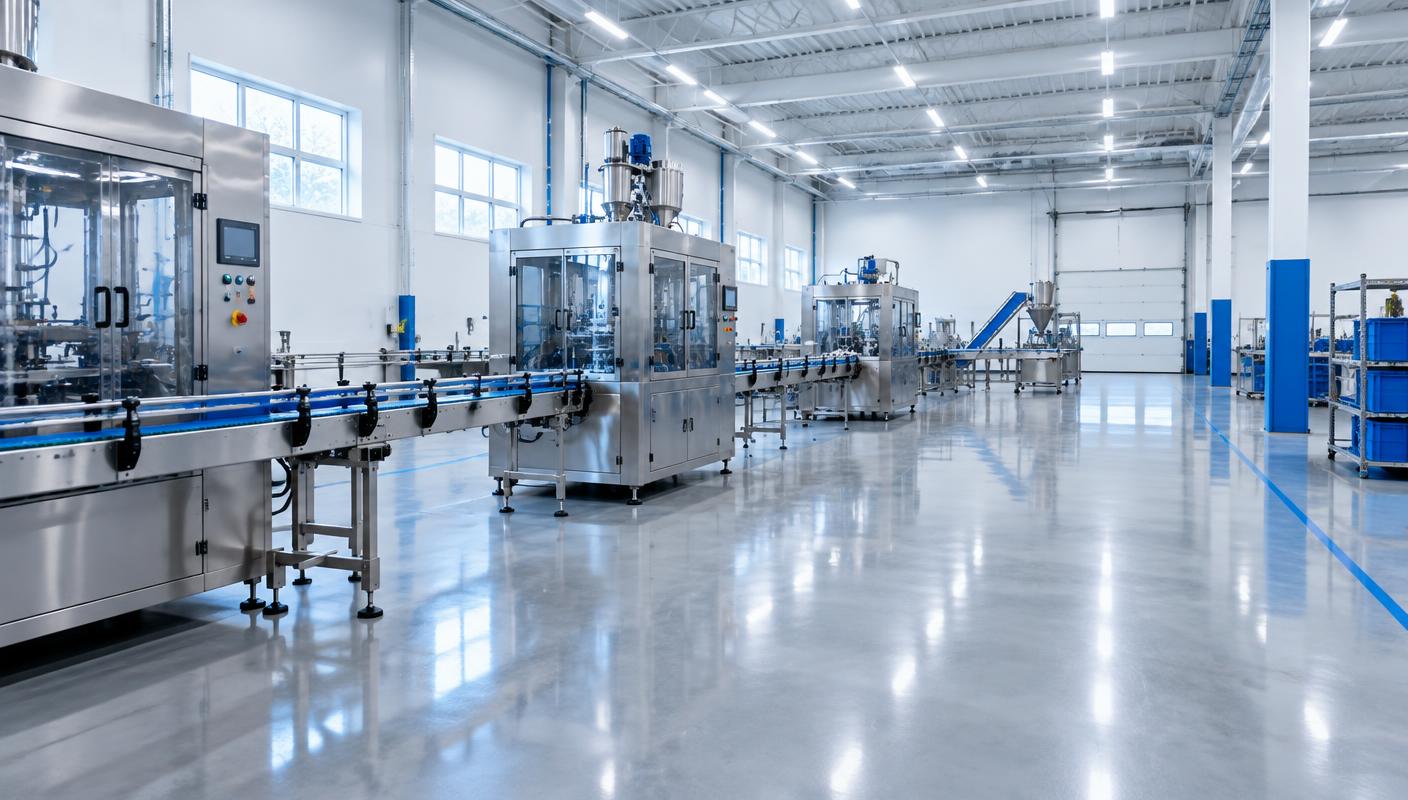
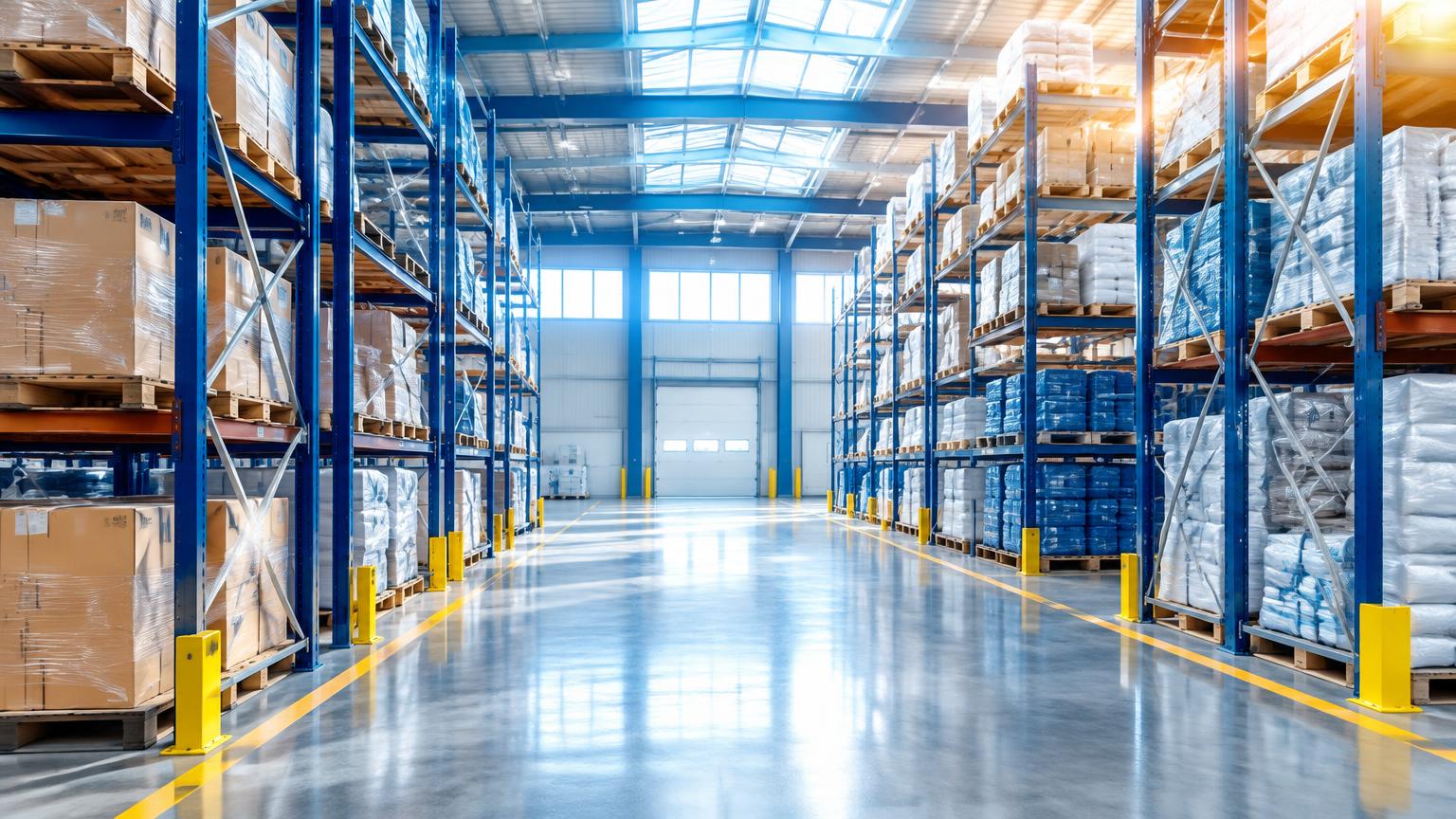
Warehouse cleaning is a specialized field distinct from standard office cleaning. It addresses the unique challenges of industrial spaces, such as high-traffic concrete floors marked by forklift tires, dust accumulation on extensive racking systems, and the constant activity of loading docks. Investing in professional warehouse cleaning services is a critical component of operational efficiency, employee safety, and inventory protection.
Key Takeaways
- Specialized Needs: Warehouse environments require industrial-grade equipment and cleaning protocols that differ significantly from typical commercial spaces.
- Safety and Compliance: Professional cleaning is essential for mitigating workplace hazards like slips, trips, falls, and fire risks, while adhering to standards like WHMIS.
- Operational Efficiency: A clean warehouse reduces equipment wear, protects inventory from contaminants, and supports a more productive workforce.
- Structured Planning: A detailed cleaning checklist organized by zone (floors, racking, docks, common areas) and frequency (daily, weekly, quarterly) is key to effective service.
- Informed Vetting: Choosing a provider requires evaluating their industrial experience, safety programs, insurance, and quality assurance systems, not just the price.
Understanding the Scope of Warehouse Cleaning
A warehouse can be compared to a complex machine; for it to function optimally, every component must be clean, safe, and well-maintained. Professional warehouse cleaning serves as preventative maintenance, going beyond the scope of general janitorial services by using specialized equipment and adhering to stringent safety protocols.
The growing recognition of hygiene and safety as fundamental business requirements is reflected in market trends. More facilities are understanding that cleanliness is not an optional expense but an investment in core operations.
Core Service Components
A robust warehouse cleaning program is built around several key service areas, each addressing a specific challenge within the facility. Reputable providers customize their cleaning plans to align with a warehouse's unique layout, workflow, and operational schedule.
The following table outlines the foundational components of a comprehensive program.
Core Components of a Warehouse Cleaning Program
| Service Area | Common Tasks | Key Objective |
|---|---|---|
| Floor Care & Maintenance | Daily sweeping, mopping, and power scrubbing of concrete or epoxy floors; removing tire marks and debris. | Maintain a safe, non-slip surface and prevent dust from becoming airborne. |
| Racking & Shelving Systems | High dusting and vacuuming of all elevated surfaces, including shelves, beams, and light fixtures. | Protect inventory from contamination and improve overall air quality. |
| Loading Docks & High-Traffic Zones | Frequent cleaning to manage tracked-in dirt, spills, and debris to prevent slip-and-fall hazards. | Ensure safety and efficiency in the busiest parts of the warehouse. |
| Common Areas | Cleaning and disinfecting breakrooms, washrooms, and any attached office spaces. | Provide a healthy and hygienic environment for all employees. |
A well-designed program provides a holistic approach, addressing everything from the floors that equipment operates on to the air quality for employees.
The Right Tools for the Job
Cleaning an industrial facility effectively cannot be achieved with standard janitorial supplies. The distinction between a general cleaner and a warehouse specialist is most evident in their equipment. Having the correct janitorial equipment and supplies is essential for achieving professional results safely and efficiently.
Professionals utilize industrial-grade ride-on scrubbers, high-powered vacuums designed to capture fine dust, and scissor lifts to safely perform tasks like https://www.arellicleaning.com/specialty-cleaning-services/high-dusting. This specialized equipment ensures that every part of a facility, from the floor to the ceiling, meets the highest standards for cleanliness and operational readiness.
Maintaining a Safe and Compliant Facility
In a warehouse environment, a clean space is a safe space. A spill is a potential slip-and-fall incident, and accumulated dust on high surfaces can pose a fire hazard. Professional warehouse cleaning services play a direct role in risk management by adhering to strict safety and compliance standards.
Engaging a cleaning partner that understands these risks helps reduce liability and ensures a safer environment for all personnel. This requires a practical understanding of regulations and a consistent commitment to safety during every service.
Essential Warehouse Cleaning Safety Protocols
Any professional cleaning team operating in an industrial setting must be proficient in key safety protocols. These are fundamental requirements for protecting both the cleaning staff and the facility's employees.
- WHMIS Training: The Workplace Hazardous Materials Information System (WHMIS) is mandatory. Cleaners must be trained to read labels and Safety Data Sheets (SDS) to handle, store, and dispose of cleaning chemicals safely.
- Lockout/Tagout (LOTO): When cleaning near or around machinery, LOTO procedures are critical. This protocol ensures equipment is properly de-energized and cannot be started accidentally, preventing serious injuries.
- Fall Protection: For elevated tasks like dusting high racking systems or cleaning light fixtures, proper fall protection equipment and training are non-negotiable to prevent falls from height.
- Personal Protective Equipment (PPE): The correct use of PPE—such as gloves, safety glasses, non-slip footwear, and respirators where needed—is a primary defense against chemical exposure and physical hazards.
It is also important to align cleaning procedures with facility-specific hazardous materials storage requirements to ensure comprehensive compliance and worker safety.
How to Evaluate a Provider's Commitment to Safety
A cleaning company's dedication to safety should be transparent and verifiable. Facility managers in locations like Toronto, Vaughan, or Mississauga should request documentation of safety programs and training records from potential partners.
A safety-oriented commercial cleaning service integrates protocols into its daily operations and company culture. This proactive approach distinguishes a standard janitorial company from a true industrial cleaning specialist.
As the demand for skilled cleaning professionals grows, it becomes increasingly important to select a provider that invests in comprehensive training and compliance for its teams.
Ultimately, choosing a commercial cleaning company that prioritizes safety means bringing in a partner that actively contributes to a safer, more productive, and compliant warehouse. They become an integral part of the facility’s overall risk management strategy.
A Warehouse Cleaning Checklist and Schedule
Developing a clear, actionable plan is the most critical step in managing a facility’s cleaning needs. A well-defined checklist and schedule serve as a blueprint for maintaining a safe and efficient warehouse. This framework allows facility managers to set clear expectations, conduct effective site assessments, and ensure that quotes accurately reflect the required scope of work.
A structured plan eliminates ambiguity and establishes accountability. It transforms a general request for cleaning into a specific scope of work, which is the foundation of a successful partnership with a commercial cleaning service. When tasks, frequencies, and standards are mutually understood from the outset, the quality of the results improves significantly.
Building a Checklist by Zone
While every warehouse is different, most can be broken down into common zones with distinct cleaning requirements. A zone-based approach ensures comprehensive coverage. Here is a framework that can be adapted for facilities in Toronto, Markham, or Oakville.
Daily Tasks (High-Traffic & High-Risk Areas)
These tasks address immediate safety concerns and prevent the daily accumulation of dirt and debris.
- Loading Docks & Entryways: Sweep floors to remove tracked-in dirt, salt, and debris. Mop spills and wet spots immediately to prevent slip hazards.
- Main Aisles & Walkways: Power sweep or scrub floors to manage dust, forklift tire marks, and operational debris.
- Employee Washrooms & Breakrooms: Clean and disinfect all surfaces, including toilets, sinks, counters, and tables. Restock consumables like soap and paper towels.
- Waste & Recycling Bins: Empty all bins and replace liners to control odors and pests.
Weekly Tasks (General Maintenance & Upkeep)
These tasks maintain the facility's overall cleanliness and address areas that do not require daily attention.
- Packing & Shipping Stations: Wipe down all surfaces, including benches, scales, and conveyor belts, to remove accumulated dust and grime.
- Administrative Offices: Perform standard tasks such as dusting surfaces, vacuuming carpets, and mopping hard floors. Disinfect high-touch points like doorknobs and light switches.
- Floor Edges & Corners: Detail-clean along walls and racking where larger auto-scrubbers cannot reach to ensure a thoroughly clean space.
Establishing a Long-Term Cleaning Cadence
Beyond daily and weekly tasks, a complete warehouse cleaning services plan must include less frequent, deep-cleaning activities. These are typically scheduled during off-hours or weekends to minimize operational disruption.
Monthly & Quarterly Tasks (Deep Cleaning & Specialized Care)
- Racking & Shelving Systems: Perform high dusting to remove settled dust from upper shelves and structural beams, which is vital for protecting inventory and improving air quality.
- Walls & Vertical Surfaces: Wipe down walls and doors to remove scuffs, fingerprints, and smudges, maintaining a professional appearance.
- Light Fixtures & Vents: Dust or vacuum light fixtures and HVAC vents to improve lighting efficiency and air circulation.
- Windows & Interior Glass: Clean interior windows and glass partitions in office or receiving areas to enhance natural light and visibility.
This diagram illustrates how professional cleaning programs support the core pillars of warehouse safety.
It highlights how adherence to these standards forms the foundation of a risk-mitigation strategy, a competency expected of any professional cleaning provider.
By creating a detailed schedule, facility managers can shift from a reactive to a proactive approach to cleanliness. This not only results in a consistently clean and safe environment but also sets a clear benchmark for evaluating the performance of any janitorial service. A qualified partner will collaborate with you to refine this checklist based on a thorough site assessment.
How Warehouse Cleaning Costs Are Calculated
Understanding how warehouse cleaning services are priced is the first step toward effective budgeting and selecting the right provider. The cost is not an arbitrary figure but a detailed calculation based on a facility's specific characteristics and needs. By understanding the core factors that influence a quote, you can compare proposals accurately and avoid hidden costs.
Most commercial cleaning providers use either a rate per square foot or a flat monthly fee. While a per-square-foot rate can be useful for one-time jobs, a flat monthly fee is more common for ongoing service agreements. It provides a predictable cost tied to a mutually agreed-upon scope of work. Regardless of the model, the final price is determined by the same key variables.
Key Drivers of Warehouse Cleaning Prices
Several major factors directly affect the labor, equipment, and time required to clean a warehouse, which in turn determines the cost. A professional provider will always conduct a site visit to assess these factors before providing a final quote.
- Total Square Footage: This is the primary basis for any quote. Larger spaces require more time and resources to clean, making size the single most significant cost driver.
- Type and Condition of Flooring: Polished concrete floors in high-traffic areas require industrial auto-scrubbers, a different process than mopping a small office. The floor's current condition, including stains or damage, also impacts the initial cleaning effort.
- Density of Equipment and Racking: An open, empty warehouse is simpler to clean than one filled with machinery, conveyor belts, and dense racking. Obstacles require more manual cleaning and careful maneuvering, increasing labor hours.
- Frequency of Service: The cleaning schedule—whether daily, weekly, or monthly—is a major component of the cost. Daily service for high-use areas like loading docks will naturally have a higher monthly cost than a general weekly service.
The Impact of Scope and Specialized Tasks
Beyond the physical characteristics of the building, the specific tasks included in the scope of work will significantly influence the final price. Not all cleaning tasks are equal, and specialized services will add to the base cost.
The cost of a cleaning program is a direct reflection of the work performed. A low bid may seem attractive, but it could indicate a limited scope, minimal quality control, or insufficient time allocated to properly service the facility. Transparent pricing connects every dollar to a specific, value-driven task.
For example, specialized tasks that can affect your quote include:
- High Dusting: Safely cleaning rafters, beams, and tall racking requires certified technicians and equipment like scissor lifts, which adds to the cost.
- Industrial Degreasing: Removing heavy grease and oil from machinery or floors is a labor-intensive task that requires specific chemicals and safety protocols.
- Washroom and Breakroom Sanitation: These areas demand more intensive cleaning and disinfection compared to the main floor, increasing the time and materials needed.
Receiving an Accurate and Transparent Quote
To receive a quote that is reliable and comparable, provide potential vendors with comprehensive information. Sharing facility maps, identifying high-priority areas, and being clear about access hours and security protocols allows a provider to create a precise estimate. A reputable commercial cleaning company near you will always prefer a site walkthrough over providing a quote based on incomplete information.
By understanding these cost drivers, you will be better prepared to evaluate proposals from providers in areas like Toronto, Vaughan, and Mississauga. This knowledge empowers you to ask informed questions and select a partner that offers fair, transparent pricing aligned with your budget and operational needs.
How to Choose the Right Cleaning Partner
Selecting the right cleaning company for your warehouse is about more than hiring a vendor; it is about choosing a partner invested in your facility's health and operational safety. This decision requires a structured evaluation to ensure the provider can meet the unique demands of an industrial environment.
A systematic approach helps you look beyond price to focus on what truly matters: reliability, safety, and quality. The right partner becomes an extension of your own team, integrating into your workflow to help maintain a safe and productive space.
Key Evaluation Criteria for Vetting Providers
When assessing potential commercial cleaning companies, especially for warehouse settings in areas like Toronto or Vaughan, certain criteria are non-negotiable. These factors separate true industrial specialists from general janitorial services.
- Proven Industrial Experience: Request case studies or references from facilities similar to yours. A company that excels at office cleaning may not possess the appropriate equipment or safety training for a logistics center.
- Comprehensive Insurance and Compliance: Verify that the provider has adequate liability insurance and is in good standing with WSIB. This protects your business from liability in the event of an accident.
- Documented Safety Programs: The provider should be able to demonstrate a robust safety culture, including documented training on WHMIS, lockout/tagout procedures, and fall protection.
- Employee Screening and Training: Inquire about their hiring and training processes. Are employees background-checked? Are they trained on industrial cleaning protocols and the specific equipment used in your facility?
Essential Questions to Ask Potential Partners
After creating a shortlist, conduct a focused interview. The responses will reveal a company's operational maturity and commitment to client service.
A reliable cleaning partner operates with transparency. Their willingness to openly discuss quality assurance, communication protocols, and issue resolution is a strong indicator of their professionalism and accountability.
The goal is to understand their operational systems. A high-quality commercial cleaning service is built on a strong operational foundation.
- Quality Assurance: How do you measure and ensure consistent cleaning quality? Ask about their inspection process, use of tracking software, and reporting methods.
- Communication Protocols: Who is the primary point of contact? What is the process for urgent requests or resolving issues? Look for companies that offer multiple communication channels.
- Scope of Work Customization: How do you develop the cleaning checklist? A good partner will conduct a site walk-through with you to build a tailored plan that addresses your specific needs.
Look for Client-Friendly Policies
Certain business practices can significantly improve the client experience. While not universally offered, these policies often indicate a client-focused approach.
Consider looking for providers that offer:
- A Free Sample Clean: Some companies provide a complimentary sample clean with a quote. This is a no-risk way to evaluate their work quality firsthand before making a commitment.
- No Long-Term Contracts: Flexible, no-term agreements demonstrate a company's confidence in retaining business through excellent service rather than binding contracts.
- Price Match Guarantees: A price match policy indicates that the provider is competitive and confident in the value they deliver.
These policies empower the client, allowing for performance verification and flexibility.
Use a comparison table to evaluate quotes on an equal basis.
Comparing Warehouse Cleaning Service Providers
| Evaluation Criterion | Provider A | Provider B | What to Look For |
|---|---|---|---|
| Industrial Experience | Specific examples of similar facilities, client references. | ||
| Insurance & WSIB | Certificate of Insurance (COI) and WSIB clearance letter. | ||
| Safety Training (WHMIS) | Documented training programs for all staff. | ||
| Quality Assurance Process | Use of checklists, inspection software, and reporting. | ||
| Communication Channels | Dedicated contact, app, 24/7 support availability. | ||
| Contract Terms | No long-term lock-in, clear cancellation policy. | ||
| Sample Clean Offered? | A "yes" allows for a risk-free trial. Arelli Cleaning is one company that offers this. | ||
| Price Match Guarantee? | Shows confidence and competitive pricing. | ||
| Quote Inclusions | Clearly lists all services, supplies, and equipment. |
Using this framework, you can confidently select a reliable janitorial service near me that is genuinely equipped to support your facility’s success.
Frequently Asked Questions (FAQ) About Warehouse Cleaning
Facility managers often have similar questions when considering professional cleaning services. Here are direct answers to some of the most common inquiries.
What is the recommended cleaning frequency for a warehouse?
The ideal frequency depends on your facility's activity level. High-traffic zones like loading docks, main aisles, and employee washrooms typically require daily service to maintain safety and hygiene. General floor space and common areas may be sufficiently maintained with a weekly service. Specialized tasks like high-dusting of racking or deep wall cleaning are usually performed quarterly or semi-annually. A professional provider will conduct a site assessment to help you create a schedule that aligns with your operational needs.
How can cleaning be done without disrupting our operations?
A professional commercial cleaning provider understands that operational uptime is a priority. Services are designed to be flexible and are typically scheduled during off-hours, overnight, or on weekends to avoid disrupting your workflow and shipping schedules. The goal is for your team to arrive at a clean, safe, and fully operational facility each day.
Why should we outsource cleaning instead of using in-house staff?
Outsourcing provides access to specialized industrial-grade equipment, such as auto-scrubbers and scissor lifts, without the high cost of ownership and maintenance. Additionally, professional cleaning companies assume the liability associated with safety protocols like WHMIS chemical handling. It also eliminates the significant administrative burden of hiring, training, insuring, and managing an internal cleaning team, allowing your staff to focus on their core responsibilities.
Where can I find a reliable commercial cleaner near me?
Begin by searching for companies with verifiable experience in industrial facilities within your region, whether it's Toronto, the York Region, Burlington, or Kitchener. Always verify their credentials by requesting proof of liability insurance, WSIB compliance, and local client references. A thorough review of their safety training programs and quality control systems is also essential. A reputable commercial cleaning service near you will readily provide this information.
Further Reading
This guide provides a foundational understanding of warehouse cleaning. To deepen your knowledge, consider these additional resources. The right information is invaluable when vetting a new cleaning partner.
Internal Knowledge Base
- Service Areas: To find a qualified cleaning provider in your part of Ontario, from Toronto to Mississauga or Vaughan, you can review a company's designated service areas.
- High Dusting Services: Hard-to-reach rafters and beams are a key concern. A detailed guide on high dusting explains its importance for safety and air quality.
External Industry Resources
For an impartial perspective on cleaning standards and best practices, these industry organizations are authoritative sources.
- ISSA (The Worldwide Cleaning Industry Association): This is the leading global resource for cleaning standards, training, and certifications. To understand industry benchmarks, visit ISSA.
- Janitorial Manager: For practical advice on managing cleaning operations and programs, Janitorial Manager offers valuable articles and guides.
With the frameworks from this guide, you are well-equipped to gather quotes and choose a commercial cleaning service that meets your warehouse's specific needs. Diligent preparation helps ensure you select a partner who shares your commitment to quality and safety.
We encourage you to use the checklists and questions in this guide to obtain 2-3 quotes and make an informed decision. If your warehouse is located in Ontario and you are looking for a quote that includes a complimentary 45-minute sample clean, Arelli Cleaning is one option to consider. You can view their service locations on their Service Areas page.